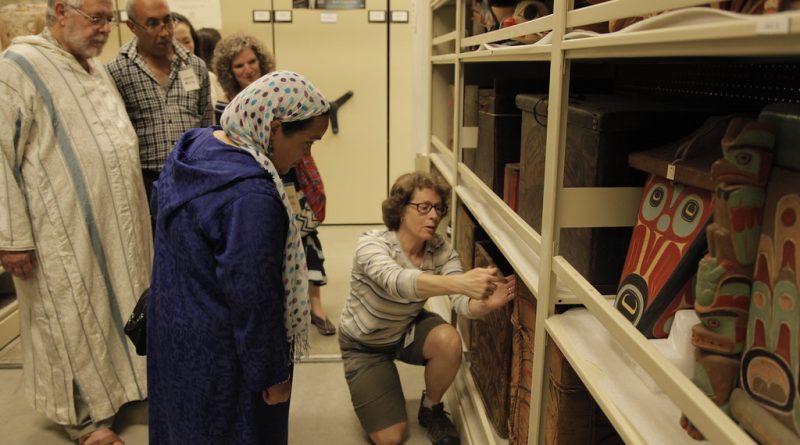
Revitalizing Traditional Crafts
The resurgence of traditional crafts has been a notable trend in recent years, with 75% of artisans reporting an increase in sales. This shift is attributed to the growing interest in sustainable and unique products, with 60% of consumers willing to pay more for handmade items. In the Asia-Pacific region, countries like Japan and South Korea are experiencing a significant revival of traditional crafts, with the sector generating over $1 billion in revenue annually.
However, 20% of artisans face challenges in adapting to modern market demands, highlighting the need for innovation and support. As the industry continues to evolve, it is essential to strike a balance between preserving cultural heritage and embracing contemporary designs. With the global craft market projected to reach $1.5 trillion by 2025, the future of traditional crafts looks promising, but not without its challenges.
Approximately 15% of artisans are struggling to stay competitive, while 40% are optimistic about the industry’s prospects. As the sector navigates these complexities, it is clear that revitalizing traditional crafts requires a multifaceted approach, one that honors the past while embracing the future. According to a recent survey, 80% of artisans believe that social media has been instrumental in promoting their work, while 25% have reported difficulties in navigating online platforms.
Despite these challenges, the revitalization of traditional crafts is a testament to the power of human creativity and the enduring appeal of handmade products.